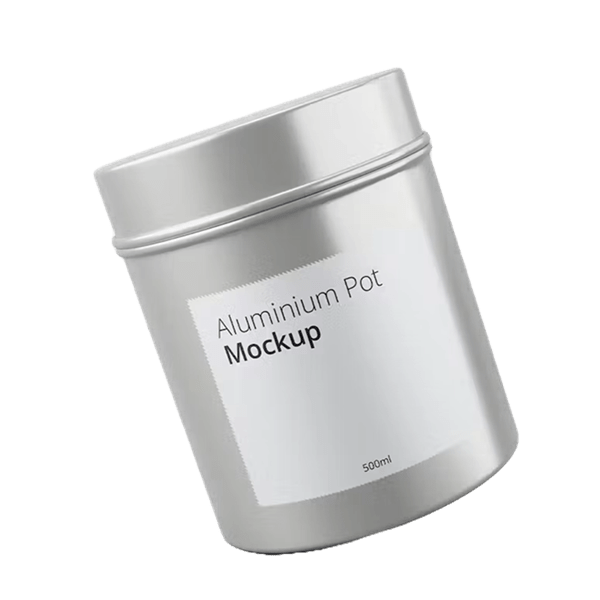
The right custom tin shape is the one that protects the actual product, works with your filling process, and communicates the right brand message without creating avoidable cost or shipping inefficiency. Start with the product’s measured dimensions and fragility—not the visual concept alone.
For most products, round and rectangular tins offer the most practical balance of manufacturability, internal capacity, decoration area, and packing efficiency. Distinctive shapes can create a stronger gift or promotional impression, but they need closer review for mold cost, internal fit, production handling, and carton use.
Start With Product Dimensions
Before comparing tin profiles, define the product’s real packaging envelope. This is the space the product needs after accounting for wrappers, trays, inserts, protective materials, and the clearance required to load and remove it comfortably.
Measure or document:
- Length, width, and height of the finished product—not just the item before wrapping
- Diameter and height for round products, such as tea pucks, candles, balms, or jars
- Number of units per tin, including assortment layouts
- Product orientation, such as flat, stacked, nested, upright, or side-by-side
- Fragile or protruding parts that need clearance
- Protective components, including paper liners, foam, plastic trays, dividers, or sleeves
- Required headspace, especially for products that should not touch the lid during shipping
A useful starting point is to sketch the product layout from the top and side. For example, a set of three wrapped cookies may fit in a shallow round tin, but a rectangular tin could reduce unused space if the cookies are arranged in rows. A tea brand selling loose-leaf sachets may need a taller tin for vertical placement, while individually wrapped tea bags can suit a shallower, wider format.
Do not choose a tin based on external dimensions alone. The interior can be affected by the metal construction, lid style, rolled edges, corners, and the space needed for an insert. Request or create a dimensional drawing that identifies usable internal length, width, diameter, and depth.
Build in practical clearance
A tight fit can look premium in a sample yet create problems during packing. Products that are difficult to load may slow manual assembly, damage wrapping, or cause inconsistent presentation.
Allow enough room for:
- Loading the product without forcing it into place
- Removing the contents without tipping or tearing them
- Tolerances in product size and wrapping thickness
- Internal components that may shift slightly during transportation
- Seasonal variations, such as chocolate coatings, baked goods, or natural materials that can change slightly in size
At the same time, excessive empty space can make a product feel underfilled and lets contents move around. The goal is controlled clearance: enough room for reliable packing, but not so much that the product rattles.
Compare Round and Rectangular Tins
Round and rectangular shapes are established choices because they solve different practical problems. Neither is universally better. The best option depends on the product layout, shelf role, and desired brand personality.
| Consideration | Round Tin | Rectangular or Square Tin |
|---|---|---|
| Best product layouts | Cylindrical, stacked, loose, or naturally round products | Rows, bars, flat items, sachets, sets, and divided assortments |
| Shelf footprint | Can stand out visually but may leave gaps in linear displays | Uses shelf and carton space efficiently |
| Branding style | Soft, classic, artisanal, premium, or gift-oriented | Structured, modern, organized, or heritage-inspired |
| Label and artwork area | Continuous curved sidewall; circular lid display | Broad flat panels and defined front-facing surfaces |
| Internal organization | Often simpler for loose or stacked contents | Easier to use with dividers, trays, and compartment layouts |
| Shipping/carton use | Less space-efficient in many outer cartons | Typically packs more efficiently in rectangular cases |
| Common applications | Tea, cookies, candies, candles, balms, coffee, gift items | Tea bags, confectionery bars, cosmetics, stationery, pet treats, promotional kits |
When a round tin makes sense
Round tins are a strong fit when the product is circular, stackable, or intended to feel like a collectible container. They can work especially well for loose tea, cookies, confectionery, coffee, candles, and small gift products.
A round shape also creates a natural focal point on the lid. This is useful when the top panel will carry a bold logo, illustration, seasonal artwork, or gift-ready message. For products displayed in baskets, countertop fixtures, or mixed gift assortments, the softer silhouette can be visually distinctive.
However, round tins deserve an early shipping review. Their curved profile can leave unused space in master cartons compared with a rectangular format. That may be acceptable for a premium gift product, but it should be a deliberate tradeoff rather than an overlooked cost.
When a rectangular tin makes sense
Rectangular tins are often the most efficient choice for products that arrive, store, and display in rows. They are well suited to tea bags, chocolate bars, mints, cookie assortments, cosmetic kits, pet treats, and promotional sets.
The flat sides and corners simplify several decisions:
- Building paperboard or molded inserts
- Separating multiple product varieties
- Applying readable information panels
- Creating a clear front, side, and back hierarchy for retail
- Packing tins in outer cartons with less void space
Square tins provide some of the same benefits in a more compact footprint. They can be useful for stacked products, cube-shaped gifts, or small items that need a substantial-looking package.
A rectangular tin is not automatically the lowest-cost solution, because actual pricing depends on dimensions, construction, decoration, order requirements, and other production details. Still, it is often operationally efficient because its geometry is familiar throughout filling, packing, and retail handling.
Evaluate Irregular Custom Shapes
An irregular custom shape can make packaging memorable. A tin shaped like a house, vehicle, animal, fruit, character, ornament, or product silhouette can turn the container into part of the gift. This approach is especially relevant for seasonal programs, licensed merchandise, children’s products, collector editions, and promotional campaigns.
The limitation is that a distinctive outline affects more than appearance. It can change tooling needs, usable internal volume, lid fit, packing orientation, and the way the tin nests in a shipping carton.
Before committing to an irregular shape, evaluate four questions.
Does the outline help the product story?
A custom silhouette should reinforce an identifiable product or campaign idea. A tea tin shaped like a teapot, for example, may support a gift concept. A pet-treat tin with a subtle bone-inspired detail may help recognition in a specialty retail setting.
If the shape has no clear relationship to the product or audience, it may add complexity without adding lasting brand value. In those cases, a standard profile with distinctive printing, embossing, or an unusual lid treatment may provide a more flexible result.
Is the usable interior sufficient?
The outside silhouette may look large while the usable interior is unexpectedly limited. Curves, narrow sections, angled walls, and deep recesses can create dead space that does not accommodate product.
Ask for internal dimensions at the points that matter most. If an insert is planned, confirm that its shape can be produced and loaded consistently. Avoid assuming that a product will fit simply because its overall measurements are smaller than the tin’s largest outside dimensions.
Will it remain stable in handling?
Some shapes are more prone to rolling, leaning, or snagging in automated or manual packing. A wide base, balanced center of gravity, and a lid that can be gripped easily improve day-to-day usability.
Also consider the consumer experience. A novelty tin should still open and close reliably, sit securely on a countertop, and store easily after the original contents are used.
Can it be packed efficiently?
Irregular tins can need custom corrugated dividers, more void fill, or specialized packing orientation. Their master cartons may carry fewer units than a similarly sized rectangular tin. If retail replenishment or direct-to-consumer shipping is a major part of the program, test the carton plan before finalizing the profile.
For a new custom concept, a structural design review is valuable early in the process. Structural design and engineering support can help evaluate the relationship between the exterior shape, usable interior, lid construction, and production feasibility.
Plan Internal Fit and Protection
The tin’s exterior gets attention, but the internal system determines whether the package performs well after it leaves the packing line. A tin can be visually appealing and still fail if the contents shift, scuff, break, leak, or feel difficult to remove.
Match the interior solution to the product’s needs.
Use liners for simple protection
Paper liners, tissue, foil, or food-safe barrier materials can help separate products from the tin and improve presentation. These are common options for dry foods, cookies, confectionery, tea, and gift items. The appropriate material depends on the product and its contact requirements, so confirm suitability for the intended use.
Use inserts for controlled placement
Trays, dividers, platforms, and molded components are useful when the product needs repeatable positioning. They can:
- Keep individual items separated
- Prevent movement and abrasion
- Create layers for assortment packs
- Raise a small product closer to the opening
- Make unboxing look organized and intentional
Rectangular tins are often easier to divide into clean compartments, but round tins can also use circular trays, nested layers, or wrapped bundles.
Consider closure and opening behavior
The lid style should suit both the product and the customer’s expected use. A tight-fitting lid may support a premium reusable feel, while a hinged lid can improve convenience for items accessed repeatedly. The best option depends on product protection, filling workflow, and how frequently consumers will open the package.
For food, cosmetics, and other regulated product categories, the tin itself is only one part of the final packaging system. Confirm applicable requirements for labeling, ingredients, product-contact materials, tamper evidence, seals, and any secondary packaging with the appropriate internal teams or qualified advisors.
Check Filling and Packing Workflow
A custom tin shape should work on the factory floor, not just in a render. Review the full sequence: receiving empty tins, opening or orienting them, loading the product, inserting components, closing lids, labeling or sleeving, packing into cases, and preparing pallets.
Key questions include:
- Will products be packed by hand, semi-automatically, or on automated equipment?
- Does the tin need a consistent orientation for artwork, labels, or barcodes?
- Can operators grip the tin and lid easily?
- Is there enough opening clearance for the product and insert?
- Will the lid be applied before or after a seal, sleeve, or shrink band?
- Are there sharp-edged components, delicate decorations, or stacked items that complicate loading?
- Can the closed tins be counted, case-packed, and palletized efficiently?
A narrow opening can be a particular problem. The product may technically fit inside but be hard to place without touching the rim or damaging the contents. Similarly, a deep tin can create an awkward reach for manual packing unless an insert lifts the product higher.
Plan the secondary packaging at the same time as the tin. The outer carton should limit movement, support stacking, and accommodate the actual packed dimensions. Do not wait until production to discover that decorative lid features, applied labels, or sleeves make the final package larger than expected.
Review Shelf and Shipping Efficiency
Shape is a retail and logistics decision as much as a design decision. Consider how the tin will face forward, stack, travel, and be replenished.
Retail shelf performance
On a shelf, shoppers should be able to identify the brand and product quickly. A tall narrow tin may be visible from a distance but have limited lid display area. A shallow wide tin may look premium from above yet be less visible when placed behind another product.
Review:
- Front-facing panel size for product identification
- Readability of required information and usage instructions
- Ability to stack or merchandise in trays
- Stability when shoppers pick up and return the tin
- Compatibility with existing shelf dimensions or display fixtures
- Whether the lid, sidewall, or both will be visible at point of sale
For e-commerce, include the unboxing perspective. A tin that presents beautifully after opening may support gifting and reuse, but it still needs a protective shipper designed around its shape.
Shipping and storage efficiency
Rectangular tins generally use pallet and carton space more efficiently because they align closely with standard case geometry. Round tins and irregular shapes can leave voids, which may increase the amount of secondary packaging required.
That does not mean every product should be rectangular. A higher-value gift tin may justify less-efficient carton use if the shape strengthens the product’s perceived value or seasonal appeal. The important point is to compare the tradeoff before selecting the design.
Ask to review:
- Units per inner carton and master carton
- Carton dimensions and unused space
- Need for dividers or protective materials
- Pallet arrangement and stack stability
- Risk of lid scuffing, denting, or artwork abrasion in transit
- Storage space for empty tins and finished goods
Decide Between Existing and New Molds
The mold decision is often where shape ambition meets project economics. An existing mold is a previously developed tin format that can be adapted with new artwork and, in some cases, related dimensional or construction choices. A new mold is developed for a shape or format that is not already available.
Choose an existing mold when flexibility and lower development risk matter
An existing mold is usually the practical route when the product fits a standard round, square, rectangular, oval, or other available profile. It can allow a brand to focus resources on graphics, finishes, inserts, sleeves, and secondary packaging rather than creating an entirely new structure.
This approach is well suited to:
- Product launches with a straightforward format
- Seasonal designs built around changing artwork
- Programs that need to validate market response before investing in a unique form
- Products whose dimensions match an established tin size
DecoCan offers more than 800 existing molds, so buyers evaluating available formats can begin by reviewing custom tin packaging options against their product dimensions and packing needs.
Consider a new mold when shape is central to the product strategy
A new mold may be justified when the tin’s structure is a key part of brand recognition, product function, or a long-term collectible program. It can be appropriate when existing shapes waste too much internal space, cannot accommodate a required insert, or do not create the intended consumer experience.
A new mold requires more planning. Confirm the development process, ownership and commercial terms, dimensional tolerances, sampling stages, decoration limitations, and the time needed for design review and production preparation. Also evaluate whether the resulting shape will remain useful for future flavors, collections, or product sizes.
A common mistake is selecting a unique shape for one short campaign without a plan for reuse. If the shape can support future artwork changes or related products, the development investment may have broader value.
Use a Final Shape Checklist
Use this checklist before approving a custom tin shape:
- Does the usable interior fit the finished product, not just the unwrapped item?
- Is there enough clearance for loading, removal, and normal size variation?
- Does the shape provide the needed protection with liners, inserts, or dividers?
- Is the lid style appropriate for how the product is filled and used?
- Can the package be packed consistently by the intended workflow?
- Does the shape support a clear retail-facing brand presentation?
- Will labels, legal copy, barcodes, and instructions have adequate space?
- Is the tin stable on shelves, in displays, and during handling?
- Does the master-carton plan prevent movement, dents, and scuffing?
- Are shipping efficiency and storage requirements acceptable?
- Does an existing mold meet the need, or is a new mold strategically justified?
- Has the full configuration been reviewed, including artwork, insert, closure, and secondary packaging?
The best way to choose a custom tin shape is to narrow the decision in this order: product fit, protection, filling workflow, retail presentation, shipping efficiency, and then visual differentiation. This sequence prevents a strong-looking concept from becoming difficult or expensive to use.
When you are ready to move from a product layout to a production-ready package, review the available custom packaging services and prepare a brief with product dimensions, unit count, intended market, filling method, and desired shelf presentation.